
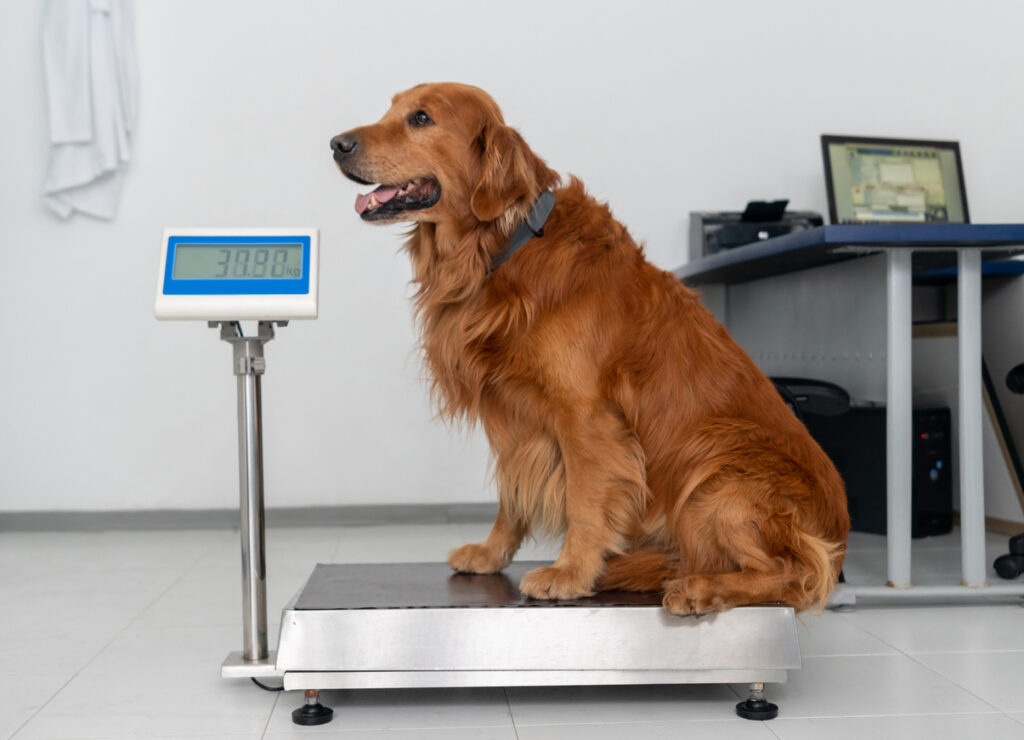
Food affects much more than whether a pet feels full. Nutrition can influence body weight, energy, muscle condition, digestion, skin and coat health, and how well a pet’s diet continues to meet their needs as they age.
That makes nutrition an important part of pet preventive care, but food choices shouldn’t exist in isolation. Veterinary care adds context by considering factors such as age, body condition, activity, medical history, and changes that may not be obvious at home.
For pet owners in Helena, MT, those needs can also shift with the seasons. A dog that spends more time hiking, walking, or playing outdoors during warmer months may have a very different activity level than during a long Montana winter. Combining thoughtful nutrition with proactive veterinary care can help owners adjust as their pets’ routines change.
Why Nutrition Matters in Pet Preventive Care
There isn’t one diet that’s ideal for every dog or cat.
A growing puppy, an active adult dog, an indoor cat, and a senior pet can all have very different nutritional needs. Even two pets of the same breed and age may require different calorie levels depending on their activity, body condition, and health.
Good nutrition should provide appropriate amounts of essential nutrients while also matching the individual pet’s daily needs.
That may mean considering:
- Life stage
- Body weight and body condition
- Activity level
- Reproductive status
- Digestive tolerance
- Medical conditions
- Dental health
- Changes in appetite
- Current medications
For pets in Helena, activity may also fluctuate throughout the year. Dogs that are regularly active outdoors in spring and summer may burn fewer calories when winter weather limits longer walks or outdoor play.
The goal isn’t simply to choose a popular food. It’s to choose and adjust nutrition based on the pet in front of you.
Veterinary Care Can Help Personalize Nutrition
Pet food labels provide useful information, but they can’t evaluate your individual pet.
Veterinarians can consider nutrition alongside body condition, muscle mass, health history, activity, and other factors. That context can be especially useful when a pet’s needs begin changing.
For example, a food that worked well several years ago may no longer be the best match if a pet has become less active, gained weight, developed a health condition, or entered a new life stage.
Veterinary care also gives pet owners an opportunity to ask practical questions such as:
- Is my pet eating an appropriate number of calories?
- Is their current weight healthy?
- Does their diet match their life stage?
- Should treats or table foods be adjusted?
- Could a medical issue be influencing appetite or weight?
- Is a specialized diet appropriate?
These conversations can help pet owners make food decisions based on individual needs rather than trial and error.
How Body Condition Influences Everyday Pet Care
The number on the scale is useful, but it isn’t the only way to evaluate whether nutrition is working well.
Veterinary teams may also consider body condition and muscle condition.
At home, pet owners can look for several general signs. A pet at an appropriate body condition will often have ribs that can be felt without excessive pressure, a visible waist when viewed from above, and some abdominal tuck when viewed from the side.
Gradual changes are easy to miss when you see your pet every day.
A dog may slowly lose its waistline over several months. A senior cat may maintain a similar weight while losing muscle. These changes can matter even when the scale doesn’t seem dramatically different.
For Helena pet owners, seasonal routines can make these changes especially easy to overlook. A pet that becomes less active during colder months may gradually gain weight even when food portions stay exactly the same.
Monitoring body condition alongside consistent nutrition and activity habits can make those shifts easier to recognize.
Portion Control Is a Simple Way to Support Healthy Weight
One of the easiest ways to improve feeding consistency is also one of the most overlooked: measure the food.
Estimating portions by eye can lead to gradual increases over time. A scoop that’s slightly fuller each day may not seem important, but those extra calories can add up.
A measuring cup can improve consistency, while a kitchen scale provides even more precision.
Treats should also be included when thinking about daily intake.
Training rewards, dental chews, table scraps, pieces of meat, and food used to hide medications all contribute calories. In households with several people, pets may receive treats from multiple family members without anyone realizing the total amount.
One practical strategy is to set aside the day’s treat allowance in one container. Once it’s empty, everyone knows the daily amount has been used.
Small routines like this can make feeding easier to manage without turning nutrition into a complicated process.
Veterinary Services in Helena, MT Can Help When Appetite Changes
Changes in appetite shouldn’t automatically be treated as a nutrition problem.
Eating more, eating less, becoming unusually selective, or suddenly changing food preferences can sometimes be connected to health issues rather than the food itself.
A veterinary evaluation can help distinguish between routine feeding concerns and changes that deserve further attention.
Pet owners may want to contact a veterinarian if appetite changes occur alongside:
- Unexplained weight loss
- Rapid weight gain
- Increased thirst
- Vomiting or diarrhea
- Difficulty chewing
- Dropping food
- Lower energy
- Changes in behavior
- Noticeable muscle loss
For families looking for veterinary services in Helena, MT, discussing these changes early can provide useful context and help determine whether nutrition should be adjusted or another concern needs attention.
This can be especially helpful when owners aren’t sure whether a change is related to food, reduced seasonal activity, aging, or something else.
Dental Health Can Affect Nutrition Too
Nutrition and oral health often overlap.
A pet with dental discomfort may hesitate to chew, favor one side of the mouth, drop food, or suddenly prefer softer foods.
Those behaviors can sometimes look like picky eating when the actual issue is discomfort.
This is one reason different areas of veterinary care shouldn’t be viewed separately. Nutrition, dental health, activity, weight, and other aspects of health can influence one another.
If a pet’s eating habits change unexpectedly, examining the mouth and discussing pet dental services with a veterinarian may be appropriate rather than simply switching foods repeatedly.
Pet Wellness Exams Can Add Important Health Context
Pet wellness exams are one specific veterinary service that can provide useful information about a pet’s overall condition.
During a routine exam, a veterinarian may evaluate weight, body condition, muscle mass, skin and coat condition, dental health, and other physical findings.
That information can help determine whether the current diet continues to fit the pet’s needs.
Annual vet exams may also provide a useful comparison point. Changes in weight or body condition are often easier to recognize when current findings can be compared with previous visits.
For pet owners seeking vet exams in Helena, MT, these evaluations can support better nutrition decisions while other veterinary services address different health needs.
Nutrition Needs Change Throughout a Pet’s Life
A diet isn’t necessarily a lifelong decision.
Nutritional needs can change as pets grow, mature, become more or less active, or develop health concerns.
Puppies and kittens require nutrition that supports growth. Adult pets need appropriate calories and nutrients to maintain healthy body condition. Senior pets may experience changes in activity, digestion, muscle mass, or appetite.
For pets living in Helena, lifestyle changes can be seasonal as well as age-related. Outdoor activity may increase significantly during warmer months and decrease when snow, ice, or cold temperatures shorten walks and playtime.
Instead of waiting until a pet is noticeably overweight, underweight, or struggling with another concern, owners can periodically reassess whether feeding habits still match current needs.
Changes may involve portion size, food type, treat frequency, feeding schedule, or another part of the daily routine.
That ongoing reassessment is an important part of pet preventive care because nutritional needs rarely stay exactly the same throughout life.
What Helena Pet Owners Can Monitor at Home
Pet owners can contribute valuable information between veterinary visits.
Once a month, consider checking:
- Can you feel your pet’s ribs without pressing firmly?
- Does your pet still have a visible waist?
- Has appetite increased or decreased?
- Has activity changed?
- Are you measuring food consistently?
- Have treats become more frequent?
- Has your pet started chewing differently?
- Has water intake changed?
- Does your pet’s coat or skin look different?
- Has body weight changed noticeably?
It can also be helpful to think seasonally.
If your dog’s winter walks are shorter than their summer outings, consider whether food portions and treats still match that lower activity level. Likewise, if your pet becomes considerably more active during warmer months, watch for changes in appetite, weight, and energy.
You can also take photos from above and from the side every few months.
Because changes happen gradually, photographs can make body condition trends easier to recognize than relying on memory alone.
Keeping a simple record of food amount, weight, appetite, and activity can also give Helena vets useful information if concerns develop.
Choosing Food Doesn’t Have to Be Complicated
Pet owners are often faced with an overwhelming number of diets, ingredient lists, marketing claims, and feeding philosophies.
The most useful question isn’t necessarily, “Which food is best?”
A better question is, “Which diet is appropriate for this pet right now?”
That answer depends on the individual animal.
Veterinary recommendations may consider nutritional adequacy, calorie needs, body condition, life stage, medical concerns, and how well the pet tolerates the diet.
They can also account for lifestyle. A highly active dog accompanying its owner on frequent outdoor adventures around Helena may have different energy needs from a less active pet spending most of its time indoors.
This individualized approach can make food decisions more practical and reduce the temptation to change diets based solely on trends or advertising.
Pet Preventive Care at Valley Veterinary Hospital of Helena
Nutrition works best as part of a broader, proactive approach to health.
At Valley Veterinary Hospital of Helena, we help pet owners in Helena, MT make informed decisions about nutrition, weight, daily habits, and other aspects of pet preventive care. Our veterinary team can consider your pet’s age, body condition, lifestyle, medical history, activity level, and changing needs when discussing appropriate nutrition and veterinary support.
Whether your pet’s routine changes with Montana’s seasons, their activity has slowed with age, or you’re simply unsure whether their current food and portions are still appropriate, we’re here to help.
Schedule a visit with Valley Veterinary Hospital of Helena to review your pet’s nutrition, body condition, and overall health. Together, we can identify practical adjustments that fit your pet’s current needs and support long-term well-being.